
 EN
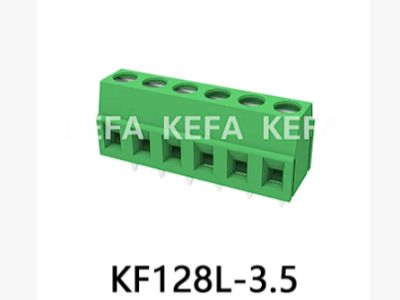
Wiring plays an important role in many devices we use every day. When it comes to terminal blocks, which connect wires in electrical systems, knowing the color codes is really helpful. These color codes help folks figure out which wires go where. Using them makes working with electricity safer and simpler. At KEFA, we understand that clear color coding prevents errors and keeps people safe. Whether you are a beginner or pro, getting these codes right is key for good wiring jobs.
Understanding Terminal Block Wiring Color Codes for Wholesale Buyers
For wholesale buyers, knowing terminal block wiring color code standards are very important. Terminal blocks get used in lots of products, so right color codes ensure things assemble correctly. Different colors stand for different jobs. Like, in many setups, red wires often handle power, while black or brown ones may mean negative or ground links. By sticking to these color rules, businesses keep products the same. This matters a lot for quality checks. If all workers know what each color means, they assemble stuff quicker without mix-ups.
And, buyers should consider the types of wires they use with terminal blocks. Some systems might have varying color codes depending on the country or industry rules. For example, in the US, the National Electrical Code (NEC) sets rules on colors. But elsewhere, there could be other guidelines. At KEFA, we make sure our products meet global standards, so wholesale buyers can rely on safety and dependability. It’s also handy for buyers to get a guide or chart showing these codes. pluggable terminal blocks help when training new staff or dealing with various products.
With this, staying on top of changes in wiring regs is essential. As technology keeps evolving, new standards might appear. It’s smart for wholesale buyers to learn about these updates. That way, they ensure sold products stay compliant and safe. At KEFA, we care about customer safety and happiness, and we work to offer the best products that fit all needed standards.
What Are the Key Terminal Block Wiring Color Codes?
Key terminal block wiring color codes act like a code language for electricians. Each color tells what it does in the circuit. For instance, usually you see red wires for positive links. This means they carry the voltage to power up devices. Black wires often stand for negative or ground. Ground wires are crucial because they protect against shocks.
In certain cases, you might spot yellow or green wires too. The green wire usually handles grounding and safety. It’s vital not to mix these colors up, as that can cause big issues. Say, if a ground wire gets hooked to power by mistake, it leads to shorts or fires even.
Another usual color is blue, which can be for control circuits. These show up in complex systems where parts need to talk to each other. White wires are sometimes used for neutral. Knowing these colors make sure everything runs smoothly.
At KEFA, we think understanding these codes help pros and newbies alike. It makes wiring less frightening and easier to handle. A clear wiring setup leads to better safety and speed. That’s why we suggest keeping a color code guide close by for anyone in electrical work. pluggable terminal block connectors save time and avoid errors over time.
In short, terminal block wiring color code standards help everybody. Whether buyer, worker, or just interested in how stuff works, getting these codes is big for safety and smooth operations.
When doing a project with electricity, use the right colors for terminal block wiring.
Terminal blocks connect wires safely. To pick correct color codes, start by learning what each one means. Common ones include red, black, green, and blue. Red often for positive, black for negative. Green usually means ground wires that prevent shocks. Blue can handle signaling or control. Check specific standards for your project, since they vary by country or job type. With KEFA terminal blocks, follow the colors in the manual. This lets everyone get your wiring, easier to fix if issues pop up. Always check connections and colors before powering on. So, your project runs safe and right.
For wholesale buyers, getting terminal block wiring color codes is crucial. It’s not only about choosing parts; it’s compliance with safety rules too. When buying bulk, ensure terminal blocks match local and global color code standards. These rules keep safety by correct wire connections. Ordering from KEFA, trust our blocks follow these guidelines. It’s wise to request docs showing compliance on big orders. Pluggable terminals guard your business and customers. Check block quality to dodge later problems. If colors are wrong or quality low, it could spark dangers or failures. By knowing color code stuff, buyers make good picks that keep projects smooth and safe.
Using right terminal block wiring color codes isn’t just for looks;
It's for safety and speed. When all use the same codes, team work on electrical jobs gets easier. This stops errors that lead to accidents. For example, seeing red wire means positive, don’t mix with black for negative. This know-how prevents issues early. Plus, standard codes speed up fixes. If a wire fails, techs spot the spot quickly from color. At KEFA, we build our terminal blocks to make the following codes simple. Less mix-up, faster repairs, save time and cash. Overall, following the same color standards makes electricity work safer and more efficient for all.