
 EN
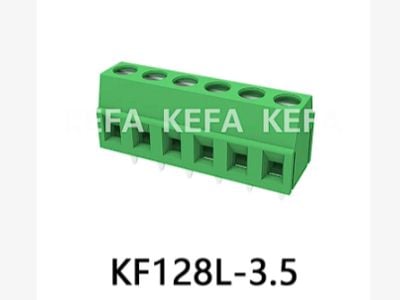
Push-in connectors are special tools that help connect wires fast and simple. They are useful in lots of projects, at home or in factories. Knowing how to use these with various wire sizes matters a lot. A wire gauge measures the thickness of the wire. Picking the right gauge for your push-in connectors can boost safety and how it works. At KEFA, we make good quality push-in connectors that fit many wire gauges, so your projects go smoothly.
Where to Find Good Push-In Connectors for Different Wire Gauges
Finding the right push-in connectors can change your work a lot. You need ones that are strong and dependable. At KEFA, we have a big selection of push-in connectors for various wire gauges, so you can pick them easily. Look for them in hardware shops, online sites, or our website. When buying, check the details to make sure it matches your wire gauge. For instance, with thin wire, get a connector made for that gauge. Some connectors handle several gauges, giving you more options in projects.
And besides the gauge, look at the materials in connectors. Good ones usually from tough stuff that stand heat and pressure. pluggable terminals stop problems like overheating, which is dangerous. You should think about the brand too. Brands like KEFA are known for high standards, so their products perform well. Ask friends for tips; they have experiences that help choose. Buying from a trusted place gives you calm, knowing you get a quality product.
Wire Gauge Mismatches
Using the wrong wire gauge with push-in connectors leads to trouble. If the wire is too thick, it does not fit well. pluggable terminal block connectors cause loose connections, maybe electrical fails or fires. On the other hand, if the wire is too thin, it will not hold securely. This mismatch can lose power and damage devices. Always match the wire gauge to the connector right to skip these risks.
Mismatches happen for reasons. Sometimes people are not careful picking connectors. Other times, connectors are not marked clear for gauge. To avoid, double check specs before connecting. At KEFA, our connectors are labeled clear, so you find matches easily.
If you got a mismatch, no worry! You can fix it by getting the right connector for your wire gauge. Better take time to do it correctly than risk later. Remember, know more about wire gauges and push-in connectors to make your projects better.
What Wire Gauge Choices for Push-In Connectors?
When using push-in connectors, understanding wire gauge options is important. Wire gauge means wire thickness, measured in AWG. For these connectors, you see gauges from 14 to 20 AWG usually. Thicker like 14 AWG carry more power, thinner like 18 or 20 carry less. Each connector accepts a certain range of gauges. Too thick wire not fit properly, too thin not to hold, leads to electric issues. At KEFA, we provide connectors compatible with different gauges for your needs. Check specs to ensure match, this makes it fit well and work effectively. The right gauge keeps connections safe and reliable.
How Push-In Connector Wire Gauge Match Affects Electric Work
Wire gauge match with push-in connectors key for good electric performance. The correct gauge lets power flow smooth, without overheating or shorts. If the wire is too thick, pluggable terminal blocks create strain and bad connection. This weak link causes lights to flicker or devices to fail. Using too thin wire makes it heat up, damaging the wire and connector, which is bad. At KEFA, we know proper matches affect safety and how systems work. Know voltage and current your setup needs. For high power, thicker gauge handle load. If not sure, ask an expert or check guidelines with connectors. Right match key to keep performance, avoid problems, and devices run smooth.
How to Skip Usual Errors in Picking Push-In Connector Wire Gauge
Picking the right wire gauge for push-in connectors matters, but people make the usual mistakes. The big one is not reading connector specs. Each has a range it takes. Always check maker info, like KEFA, for safe wire sizes. Another error assumes wires look the same so the same thickness. But they differ, so use gauge tools to measure accurately. Some forget wire length; longer ones have more resist, need different gauges for safety. And strip wire ends right before insert, or it does not connect well, poor work. Avoid these, your push-in connectors work safe and good, and finish projects confidently.