
 EN
EN
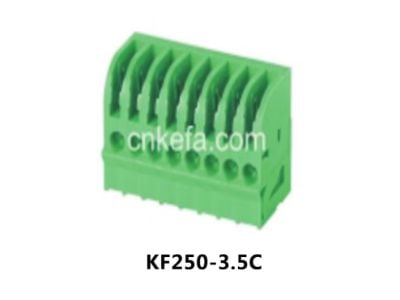
When it comes to ensuring instruments function properly, the design of the enclosure is extremely important. One key component of this enclosure is the terminal block gasket sealing. This design helps protect the instrument’s interior from dust, water, and other contaminants that can cause malfunctions. At KEFA, we understand how vital a robust and reliable sealing system is—it safeguards components and enables the instrument to operate correctly over a long service life. A gasket acts like a shield, and when well designed, it significantly enhances instrument performance.
What Are the Advantages of Instrument Enclosure Terminal Block Gasket Sealing?
Gasket sealing design offers numerous benefits for instruments. First, it prevents moisture ingress. This is critical because water can damage internal electronic components. When installed correctly, the gasket forms a barrier that blocks water entry. instrumentum clausura .Thus, the instrument can be used in wet or humid environments without failing prematurely.
Another benefit is that the gasket keeps dust and dirt out too. Dust getting inside can cause malfunction or stop working. That’s why a good sealing design is key. It helps maintain a clean environment inside, which is crucial for instrument performance.
The gasket also handles temperature changes. Instruments are used in hot or cold places. The gasket provides insulation that protects parts from swings in temperature. This ensures the instrument works well no matter the outside conditions.
Also, a good gasket reduces noise. Some instruments make sounds when working. The gasket helps muffle those, making it quieter. This is useful in quiet places.
Using high-quality materials for the gasket is a big plus. At KEFA, we use durable stuff that stands up to harsh environments. Gaskets last longer and give better protection. In short, this design offers moisture protection, dust defense, temperature stability, noise reduction, and durability, making it essential for the instrument.
How Does Gasket Sealing Design Enhance Instrument Enclosure Durability?
Gasket sealing design plays a big role in how long arca instrumenti clausa last. Durability means enclosure handle tough conditions without breakage. Good gasket makes strong seal that keeps harmful substances out. For example, if rain hits, gasket prevents water from seeping in and damaging internal parts. This helps instrument last many years.
Materials in gasket are another factor. At KEFA, our gaskets are made from robust substances that resist wear. They withstand pressure and adverse weather. Tough materials mean gasket lasts longer, which helps whole enclosure.
Good design distributes stress when enclosure closes. Pressure spreads evenly, reducing chance of damage. This makes gasket contribute to strength.
Sealing design also stops leaks. Leaks cause corrosion or damage. Reliable gasket maintains tight seal and protects components.
In vibration-prone places like factories, gasket absorbs shock. This protects interior from movement-induced wear. So enclosure stays strong.
Summary: Gasket sealing improves durability with water and dirt protection, tough materials, pressure distribution, leak prevention, and shock absorption. At KEFA we provide the best for customers.
What Makes Terminal Block Gaskets Ideal for Harsh Environments?
Blocculus terminalem Gaskets are special components for electrical equipment to ensure safety and reliable operation. They perform well in harsh environments with extreme temperatures, dust, or moisture. One reason they excel is their robust materials. Companies like KEFA use high-quality rubber or silicone. These resist heat and cold, so the gasket does not degrade easily. Even under large temperature fluctuations, it maintains its seal.
Gaskets also block dirt and water. In factories or outdoor settings, dust and rain pose risks. Water intrusion into electrical parts can cause short circuits or fire. Gaskets form a tight seal to keep contaminants out.
They also protect against vibrations. Machines vibrate, but KEFA gaskets are durable and withstand movement. Equipment operates more reliably and lasts longer.
Gaskets install and replace easily. This saves time on maintenance. If they wear out, change them quickly without needing a new machine. Smart for business in tough spots.
What Are the Latest Innovations in Instrument Enclosure Gasket Technology?
Gasket technology for instrument enclosures constantly evolves to meet new needs. Innovations make them better. One is new materials. KEFA now makes gaskets from advanced polymers. They are strong yet light, easy to handle, and provide effective sealing against water and dust.
Smart gaskets are coming. They monitor their own condition and send alerts if wear or seal problems occur. This prevents major issues. The system notifies users to fix problems quickly, saving time and money.
3D printing is used for custom gaskets. They fit perfectly and generate less waste.
Improved testing ensures gaskets withstand extremes. They become more reliable for real-world use.
How to Troubleshoot Common Gasket Sealing Problems?
Gasket sealing problems are frustrating, but you can fix them. First, check whether installation is correct. If parts are misaligned, sealing will be poor, and dust or moisture may enter. Follow KEFA instructions to position the gasket properly. If it is crooked, adjust it.
Wear and tear common. Gaskets break from temps or chemicals. See cracks? Replace. Check often to catch early.
Look at surface too. If dirty or bumpy, clean smooth first. Soft cloth work.
If still problem after, ask experts. KEFA team help diagnose and suggest best gasket. This keep enclosure safe.
Index Rerum
- What Are the Advantages of Instrument Enclosure Terminal Block Gasket Sealing?
- How Does Gasket Sealing Design Enhance Instrument Enclosure Durability?
- What Makes Terminal Block Gaskets Ideal for Harsh Environments?
- What Are the Latest Innovations in Instrument Enclosure Gasket Technology?
- How to Troubleshoot Common Gasket Sealing Problems?