
 EN
EN
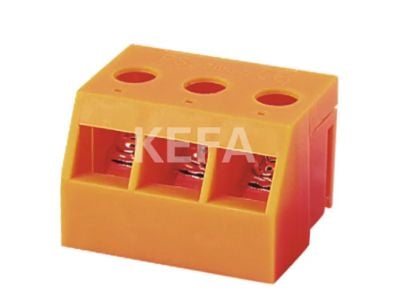
Properly connecting transformer terminal blocks is very important in electrical work. If the connections are not secure, it can lead to problems like overheating, equipment failure, or even safety hazards. At KEFA, we know how crucial it is to follow the right torque standards when making these connections. Torque refers to how tight a bolt or screw is turned. It is measured in units like inch-pounds or Newton-meters. Using the correct torque ensures that the connections are strong enough to handle the electrical load without being too tight, which can damage the wires or components. Learning about torque standards is a key part of safely working with transformers
What Are the Key Torque Standards for Transformer Terminal Block Connections
When working with transformer terminal blocks, there are specific torque standards that you should follow. These standards can vary based on the size of the terminal blocks and the specifications provided by the manufacturer. For instance, a common torque setting for smaller terminal blocks might be around 7 to 15 inch-pounds. For larger blocks, it could be between 25 and 50 inch-pounds. Each terminal block should come with a torque specification, and it's essential to check this before making any connections. If you use too little torque, the connection might be weak, leading to electrical issues. On the other hand, using too much torque can strip the screws or damage the block itself. It's like tightening a lid on a jar: too loose, and it spills; too tight, and the jar breaks. At KEFA, we recommend always using a torque wrench. This tool helps you apply the right amount of force without guesswork. Remember, every connection counts. If one terminal block is not properly tightened, it can affect the entire system
How to Ensure Proper Torque Settings for Transformer Terminal Blocks
To make sure you are using the correct torque settings for transformer PCB terminal block connector, start by gathering the right tools. A torque wrench is essential, and you should also have a torque chart handy for reference. Before you begin, read the manufacturer's instructions carefully. Some blocks may have unique requirements. After that, prepare the wires and make sure they are clean and free of any dirt or corrosion. Start connecting the wires to the terminal blocks, but don’t tighten them yet. Once everything is in place, use the torque wrench to apply the right amount of force. It's a good practice to tighten in a star pattern if there are multiple screws, because this method helps distribute the pressure evenly. After tightening, double-check each connection to ensure they are secure. If you’re not sure, it’s okay to ask for help or consult with someone experienced. Learning from experts at KEFA can also be a great way to enhance your skills and knowledge. Finally, once the connections are made, conduct a quick inspection. Look for any signs of damage or wear. Keeping everything in good condition is important for safety and reliability
What Common Issues Arise with Incorrect Transformer Terminal Block Torque
When working with transformers, one of the most important things to remember is the torque on the terminal block connector. Torque is the force that helps hold things together, like screws and bolts. If the torque is too high or too low, it can cause big problems. For example, if the screws are too tight, they can break or damage the terminal block. This can lead to loose connections, which may cause the transformer to fail. A loose connection means that electricity cannot flow properly. This can cause the transformer to overheat or even short circuit, leading to costly repairs and safety hazards. On the other hand, if the screws are too loose, they can wobble and create sparks. This can lead to fires or other dangerous situations. Another issue with incorrect torque is that it can lead to poor performance of the transformer. If the connections are not secure, the transformer may not work efficiently. This means that it might use more energy and not provide the power needed. This can be frustrating, especially if you rely on the transformer for important tasks. Over time, these issues can lead to bigger problems, like needing to replace the entire transformer. This can be very expensive and time-consuming. It’s important to always follow the correct torque standards when connecting terminal blocks. Using high-quality tools and checking the torque regularly can help avoid these issues. Companies like KEFA believe that keeping up with the right torque standards can save time, money, and enhance safety for everyone
Where to Buy High-Quality Transformer Terminal Blocks with Accurate Torque Standards
Finding the right terminal blocks for transformers is crucial for safety and performance. When looking to buy these parts, it’s important to choose a trusted source. Companies that specialize in electrical components, like KEFA, offer high-quality terminal blocks designed to meet accurate torque standards. These blocks are made from durable materials that can withstand the pressures of electricity and heat. When you buy from a reliable company, you can be sure that you are getting products that will perform well and last a long time. You can look for terminal blocks in both physical stores and online. When shopping online, make sure to read reviews from other customers. This can help you see if people have had good experiences with the products. It’s also a good idea to check if the company provides detailed information about their products, including torque specifications. This shows that they care about quality and safety. If you have questions, don’t hesitate to contact the company’s customer service. They can help you understand what you need and guide you to the right products. Choosing high-quality terminal blocks is an investment in your project’s success and safety. Companies like KEFA strive to provide the best options for their customers, ensuring that you get the right products to keep your transformers in top shape
How to Troubleshoot Common Torque-Related Problems in Transformer Connections
If you notice issues with your transformer connections, it’s important to troubleshoot them quickly. Start by checking the torque levels on the terminal blocks. Use a torque wrench to ensure that each connection is tightened to the correct specifications. If the torque is too high or too low, adjust it accordingly. This simple step can fix many problems. Look for any signs of wear or damage on the terminal blocks. If you see cracks or other damage, it might be best to replace the terminal block to ensure safety and efficiency. Another common problem is overheating. If your transformer is getting too hot, it might be due to loose connections caused by incorrect torque. Check all the connections again and make sure they are secure. If everything seems okay, consider other factors like the load on the transformer. Is it being used more than it should be? If so, it might be time to upgrade to a more powerful transformer. Regular maintenance is essential to keep everything running smoothly. Companies like KEFA recommend checking your connections regularly and performing routine inspections. This helps catch any issues early before they become bigger problems. By being proactive, you can ensure that your transformer operates safely and efficiently for a long time.
Table of Contents
- What Are the Key Torque Standards for Transformer Terminal Block Connections
- How to Ensure Proper Torque Settings for Transformer Terminal Blocks
- What Common Issues Arise with Incorrect Transformer Terminal Block Torque
- Where to Buy High-Quality Transformer Terminal Blocks with Accurate Torque Standards
- How to Troubleshoot Common Torque-Related Problems in Transformer Connections