
 EN
EN
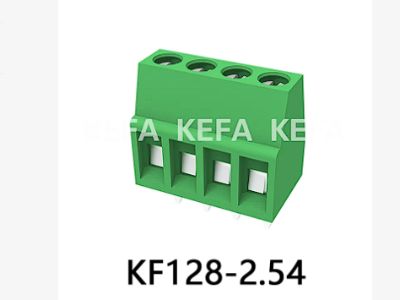
Fault finding and troubleshooting using terminal blocks are key parts of handling electrical setups. Terminal blocks help join wires and keep them neat. But sometimes issues happen. Wires might loosen up, or links could fail, causing troubles. Spotting these fast is super important, like in factories where machines run non-stop. At KEFA, we know how vital it is to keep things smooth. From our background in industrial making, we aim to show you ways to spot and repair terminal block problems good.
What is Terminal Block Fault Finding and Troubleshooting?
Terminal block fault finding and troubleshooting involve searching for issues in the links and wires attached to terminal blocks. Picture a train yard where trains hook to tracks. If one train derails or stops, you gotta figure why. Same with electric systems—if there's a glitch, you inspect the terminal blocks to check if all connects right. This includes looking for loose wires, busted links, or even harmed blocks. You could use a multimeter, that tool measures electric flow and volts, for testing. If a wire lacks power, pluggable terminal block might signal a trouble in the circuit. It's like solving a puzzle to fit the missing bit and get it working. Often, a wire slips from the block, or the block itself gets damaged needing swap. Troubleshooting can be tough, but practice helps anyone learn. Knowing the system's layout aids too. If you understand connections, finding faults gets easier. And staying calm while working through helps lead to fixes.
Where to Get Good Tools for Terminal Block Troubleshooting
Getting the proper tools for fixing terminal block issues matter a lot. At KEFA, we think right gear makes a huge change in finishing jobs fast and right. Start by seeking kits with multimeter, screwdrivers, and wire cutters. These are musts for checking links and sorting problems. Local shops usually stock them well. But for top stuff, try specialized sellers focused on electric gear. They got sturdy products that last and perform better. Online is handy too. Sites have many options at various prices. Check user reviews to pick good ones. Sometimes ask coworkers with fixing experience for tips they share what worked for them. Also, go for tools with guarantees. If pluggable terminal block connector breaks, you can swap without extra pay. Remember, good tools not just fix issues but keep it safe. A solid kit saves time and hassle, so you focus on spotting and repairing terminal block faults quick.
How to Troubleshoot Terminal Block Connections Well
In electric systems, terminal blocks play big roles connecting wires. But these links can glitch sometimes. If things ain't right, you need to troubleshoot—that's finding what's wrong and mending it. First, turn off the power. Safety comes first, so confirm no current runs in wires. Once safe, eye the terminal block close. See if wires hold tight. Loose ones cause issues, so tighten each with a screwdriver if needed.
Next, hunt for damage signs. Check broken wires or scorched spots on the block. If damaged, that could be the culprit. Corrosion might build on metal parts too. If seen, clean gentle with brush or rag to better the link. After fixing visible stuff, test with multimeter. pluggable terminal measures power to see if all works. Check circuit continuity. No continuity means a break in the line.
So, if all looks fine but system fails, maybe replace the terminal block. They can fail inside even if outer seems okay. If steps don't work, swap for a new quality one from KEFA. This ensures reliable product for your electric setup to run proper.
Where to Get High-Quality Terminal Blocks for Fault Finding
For electrical jobs, picking good terminal blocks is crucial. Bad ones lead to future headaches. Best start at KEFA's official site. KEFA makes tough, trusty blocks fit for various electric tasks. There, browse types for your needs with descriptions. If unsure, their support team helps pick right products friendly.
Local hardware spots are another choice. Many stock KEFA items, so you see them up close. This builds confidence as you check quality instant. Staff can advise on best blocks for your setup, sharing their know-how.
Online retailers work too for electric parts. Sites often have deals, but read customer feedbacks to confirm quality. Pick ones with warranty for extra sure. That's why using top terminal blocks from KEFA or trusted places changes how your system performs in troubleshooting.
What Are Top Ways for Terminal Block Troubleshooting?
Several good methods exist for fixing terminal blocks safe and fast. First technique is making a checklist. Write steps before starting—this keeps you on track and misses nothing key. Begin checking power source. Ensure power to block is off first, for safety and no mishaps.
Then, do a visual check on block and wires. Spot wear like frayed cords or burned links. If damaged, replace parts before going on. Use a continuity tester next. It shows if power flows through. Put probes on connection sides to see full circuit. No flow means break to locate.
In addition, swap wires or blocks to see if issue follows the piece. This helps tell if wire or block is bad. If swap fixes, you know what to change. Document what you find as you go. Records of checks and results aid future fixes. With these, you troubleshoot terminal block links well and keep electrics smooth. Rely on KEFA products for solid connections in projects.