
 EN
EN
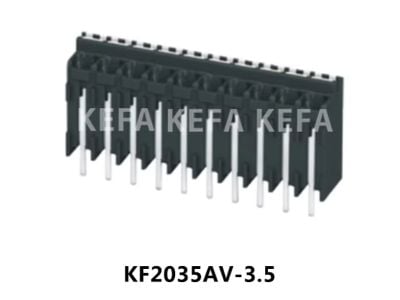
The SMT process for connectors is a key step in building many electronic devices. At KEFA, we understand that solid connections between parts are essential. Surface Mount Technology (SMT) allows manufacturers to place tiny components on circuit boards. After that, checking that everything is completed correctly becomes crucial. This inspection ensures the quality and dependability of connectors before they are used in products. Let's explore how we inspect these connectors in the connector SMT process and the usual problems that might occur
What Are the Key SMT Process Inspection Methods for Connectors
There are several methods used to check connectors during the SMT connector process. The first one is visual inspection. This involves a person looking closely at the connectors to see if they are placed correctly. They look for straight pins and any visible issues. If something seems wrong, it might indicate a larger problem. Another method is automated optical inspection (AOI). It uses special cameras and lights to capture images of the connectors. The machine compares these images to a standard and identifies errors. This method is quick and can detect things a human might overlook. X-ray inspection is another vital method. Sometimes connectors are hidden under solder layers. X-ray technology can look inside to verify that everything is properly connected. This is especially helpful with complicated connectors. In-circuit testing (ICT) is also important. It tests connections electrically to see if they are functioning correctly. If a connector is not working properly, ICT can identify the reason. Finally, functional testing verifies if the whole circuit works as planned. This last step ensures connectors perform well in real-world use. Each method plays a big role in ensuring high-quality connectors. At KEFA, we use these techniques to make our connectors reliable and able to meet customer standards
Common SMT Inspection Issues and How to Prevent Them
During SMT inspection for connectors, some common problems can happen. One is called "Tombstoning." This occurs when one end of a connector lifts while the other stays down. It leads to poor connections, making devices unreliable. Tombstoning is usually caused by uneven heating during soldering. Another issue is poor soldering. Sometimes solder does not stick well to the connector or board. This can be caused by dirt or contamination on the parts. If connectors are not clean, the solder will not hold properly, causing weak connections. Another common issue involves component placement. If a connector is not positioned correctly, it may not connect properly to the circuit board. This can happen if placement machines are not calibrated properly. Regular maintenance and calibration of these machines can help prevent this issue. Finally, connectors themselves can have defects, like missing pins or damaged components. At KEFA, we work hard to reduce these issues by using high-quality materials and performing strict quality testing. That's why addressing these issues is important to ensure connectors perform reliably throughout their service life
What Wholesale Buyers Need to Know About SMT Inspection for Connectors
Wholesale buyers looking for connectors should know how vital SMT inspection is. SMT is a method used to attach small electronic parts, such as connectors, to circuit boards. It helps make devices smaller and more efficient. However, simply placing components on the board does not guarantee proper performance. SMT process inspection verifies that connectors are placed correctly and functioning as intended. Buyers need to realize that good inspection helps ensure reliability and long service life. Poor inspections can cause product failures, leading to devices that do not work as expected. One thing buyers should remember is that there are different types of SMT inspection. These include visual inspection, AOI, and X-ray inspection. Visual inspection involves checking connectors for correct placement. AOI uses cameras and computers to find errors. X-ray technology looks inside assemblies to check hidden connections. Each method has unique benefits, and combining them provides a more complete assessment of product quality. Buyers should ask suppliers about their inspection processes to ensure they receive high-quality products. At KEFA, we use advanced inspection methods to deliver reliable, high-quality connectors
How SMT Inspection Improves Connector Quality and Reliability
Connector quality and reliability depend heavily on SMT inspection methods used during production. When connectors are properly inspected, they have a much greater chance of performing reliably in devices like computers or smartphones. For example, if a connector is misplaced or has a small defect that goes unnoticed, it could cause the device to fail. This failure can lead to unhappy customers and company losses. Therefore, proper inspection methods are essential for maintaining high product quality. Different SMT inspection methods identify different problems. For example, AOI is effective at detecting misalignment or missing parts. X-ray inspection reveals hidden issues, such as defective solder joints that cannot be seen with the naked eye. When a company like KEFA uses multiple inspection methods, it can detect more problems, resulting in better connectors. This commitment to quality helps customers trust that the products will perform reliably over time. In addition, improved product reliability can bring more sales and repeat business, which is valuable in the competitive electronics industry
Where to Source Advanced SMT Process Inspection Tools for Connectors
Sourcing the right tools for SMT inspection is important for producing high-quality connectors. There are many options for advanced inspection tools. Wholesale buyers should look for companies specializing in SMT equipment. They offer everything from basic visual inspection kits to advanced automated systems. Buyers need to think about their specific needs and pick the most suitable tools. One effective way is to attend trade shows and industry events. These events allow buyers to explore new technology and talk to manufacturers. You can ask questions, see demonstrations, and compare different solutions. Online research is another good method. Companies like KEFA have websites with product information, reviews, and quotation requests. When choosing an equipment supplier, consider the availability of technical support and training services. Some companies offer training on how to use their inspection tools. This helps new teams learn SMT inspection more efficiently. By investing in the right tools and training, buyers can build an effective SMT inspection process, leading to higher-quality connectors and greater customer satisfaction.
Table of Contents
- What Are the Key SMT Process Inspection Methods for Connectors
- Common SMT Inspection Issues and How to Prevent Them
- What Wholesale Buyers Need to Know About SMT Inspection for Connectors
- How SMT Inspection Improves Connector Quality and Reliability
- Where to Source Advanced SMT Process Inspection Tools for Connectors