
 EN
EN
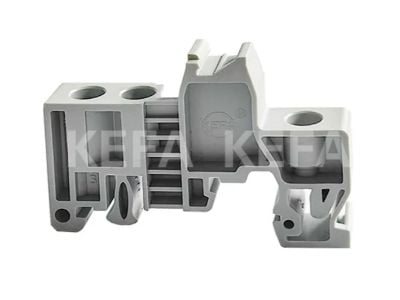
Power distribution blocks are essential components for safely distributing electricity throughout factories, manufacturing plants, and other industrial environments. They help divide electrical power among multiple machines and equipment while keeping electrical systems organized and efficient. One of the most important aspects of using power distribution blocks is load balancing, which ensures that electrical power is distributed evenly across connected circuits. Proper load balancing prevents one machine from receiving too much power while another receives too little, reducing the risk of equipment failure, overheating, and costly downtime. KEFA understands the importance of reliable power distribution and provides high-quality electrical power distribution blocks designed to support safe, efficient, and balanced electrical systems
Key Benefits of Load Balancing in Power Distribution Blocks
Proper load balancing offers numerous advantages for industrial electrical systems. One of the primary benefits is improved equipment performance. When electrical power is distributed evenly, every connected machine receives the appropriate amount of electricity needed for optimal operation. This helps equipment run smoothly, reduces unnecessary stress on electrical components, and minimizes unexpected breakdowns. Load balancing also significantly improves workplace safety. Uneven electrical loads can overload circuits, generate excessive heat, and increase the risk of electrical fires or equipment damage. By distributing power evenly, businesses can reduce these hazards and maintain a safer working environment. Another important advantage is cost savings. Balanced electrical systems place less strain on machinery, reducing maintenance expenses, replacement part costs, and production downtime. Equipment typically lasts longer when operating under stable electrical conditions, allowing businesses to maximize their return on investment. In addition, a balanced power distribution block improves overall productivity. Machines operate more consistently with fewer interruptions, enabling production lines to maintain higher output levels. KEFA designs power distribution blocks that help businesses achieve reliable electrical performance while supporting long-term operational efficiency
Common Load Balancing Problems in Power Distribution Blocks
Despite its importance, load balancing challenges can still occur if electrical systems are not properly designed or maintained. One common issue is uneven DC power distribution block load caused by improper wiring or incorrect circuit configuration. When one machine receives more power than required while another receives insufficient power, equipment performance suffers, and unexpected failures may occur. Another frequent problem is the lack of routine electrical monitoring. Without regularly measuring power consumption, businesses may not recognize developing imbalances until equipment begins malfunctioning or production is interrupted. Preventive inspections help identify these issues before they become expensive repairs. Improperly sized power distribution blocks can also create problems. Installing a distribution block that cannot handle the total electrical load may result in overheating, overloaded circuits, or reduced system reliability. Choosing the correct power distribution block based on current capacity and application requirements is essential. Poor maintenance practices further contribute to load balancing issues. Dust accumulation, loose electrical connections, corrosion, and damaged terminals can all increase electrical resistance and reduce system efficiency. Regular cleaning, inspections, and preventative maintenance help keep power distribution blocks operating safely and efficiently. KEFA recommends scheduled maintenance programs to ensure long-term system reliability
How to Choose the Right Power Distribution Block
Selecting the appropriate power distribution block is essential for maintaining a safe and efficient electrical system. Begin by determining how many electrical circuits or devices need to be connected. Distribution blocks are available with different numbers of terminals, so choosing a model with adequate capacity ensures room for both current and future expansion. Current capacity is another critical factor. Every connected device contributes to the total electrical load, so the selected distribution block must safely support the combined current requirements. Choosing a block with insufficient capacity can lead to overheating, equipment damage, or safety hazards. Installation space should also be considered. Compact distribution blocks are ideal for crowded control panels, while larger models provide greater flexibility for complex electrical systems. Material quality is equally important. High-quality insulating materials and durable conductive components provide better long-term performance, improved reliability, and greater resistance to wear. Safety features should never be overlooked. Distribution blocks equipped with protective covers, clear terminal labeling, and compatibility with circuit protection devices help improve installation safety and simplify future maintenance. KEFA manufactures durable power distribution blocks that combine reliability, safety, and flexibility for a wide variety of industrial applications
Factors That Affect Load Balancing Efficiency
Several factors influence the effectiveness of load balancing within power distribution systems. One of the most significant is connection quality. Loose or improperly installed electrical connections increase resistance, generate excess heat, and reduce overall system efficiency. Proper installation and periodic tightening of terminals help maintain reliable electrical performance. Load distribution across circuits also plays a major role. Concentrating high-power equipment on one section of the distribution block while lightly loading other sections creates electrical imbalance. Evenly distributing electrical loads minimizes stress on individual circuits and improves system stability. Wire selection is another important consideration. Electrical conductors should be properly sized according to the expected current. Undersized wiring creates excessive resistance, voltage drops, and unnecessary heat buildup. KEFA recommends using appropriately rated conductors that comply with applicable electrical standards. Environmental conditions can also impact performance. High ambient temperatures reduce heat dissipation and may decrease the efficiency of electrical components. Installing power distribution blocks in well-ventilated enclosures helps maintain safe operating temperatures. Finally, routine maintenance is essential. Regular inspections, cleaning, and performance testing help identify worn components, loose connections, and developing imbalances before they affect production
Best Practices for Power Distribution Block Load Balancing
Following established best practices helps maximize the safety, efficiency, and reliability of power distribution systems. Start by carefully planning the electrical layout before installation. Calculate the total current requirements of all connected equipment and distribute loads evenly across available circuits whenever possible. Group electrical equipment according to its power consumption. Separating high-load and low-load devices across multiple circuits helps prevent localized overloads and improves electrical stability. Clear terminal labeling also simplifies future maintenance and troubleshooting by allowing technicians to quickly identify individual circuits. Regular load monitoring is another recommended practice. Using clamp meters or multimeters to measure current flow allows maintenance personnel to identify developing imbalances and make adjustments before equipment problems occur. Routine inspections should include checking terminal tightness, inspecting wiring for signs of wear, cleaning dust and debris from electrical panels, and verifying that all components remain within their rated operating limits. Finally, always follow the manufacturer's installation and maintenance recommendations. KEFA provides detailed technical guidance for its power distribution blocks to help ensure safe installation, reliable performance, and long service life. By implementing these best practices, businesses can maintain balanced electrical systems, reduce downtime, improve equipment reliability, and maximize operational efficiency.