
 EN
EN
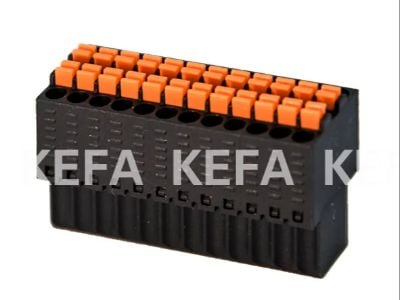
pluggable terminal block connector are key parts in electrical setups. They connect wires so electricity flows safely and smoothly. One nice feature about these blocks is the color coding. Colors help people figure out which wires fit where. This makes jobs simpler and less risky. Firms like KEFA make these, and their color system is a clever way to stay organized. Learning the colors can aid anyone dealing with power, pros or newbies alike
What Are the Benefits of Pluggable Terminal Block Color Coding Systems
Color coding on pluggable terminal block brings lots of advantages. First off, it lets workers spot wires quickly. Seeing those bright hues, they can grab the correct one without much guesswork. Say, a red wire might signal power, and blue for neutral. This clarity cuts down errors. Errors with electricity are risky, you know. The coding also aids repairs. When fixing a wire, technicians can find it fast thanks to the color, saving time and keeping things on track. Another plus is for training. Newbies learn quicker by seeing colors that match the guide. No need to memorize big lists of wire functions; just recall the shades. This makes training more fun and less stressful. For businesses, it means shorter training periods and fewer slip-ups at work. In addition, colors help keep things tidy. Organized by hue, everything looks professional. That impresses customers and shows the team cares about good work. With this, color coding shines in crises. If there's a short circuit or another issue, people can locate the power cutoff quickly. Colors point them in the right direction, so they fix it fast and avoid worse trouble. Overall, this system in terminal blocks makes tasks easier, safer, and quicker. KEFA understands these perks and designs its products for a better user experience
How Pluggable Terminal Block Color Coding Boosts Electrical Safety
Safety matters a lot with power work. pluggable terminal block color coding plays a major part in protecting people. With the right colors on wires, the risk of accidents drops. For example, green means ground, so no one mixes it up. This helps prevent shocks and dangerous situations. Another safety benefit is routine inspections. Electricians can check connections quickly. If a wire color seems off, it flags a problem. They can investigate further and fix it if needed. Without colors, they might overlook things. In addition, it enforces safety rules better. When workers are trained on the codes, they stay more focused. Seeing blue, they know there is no power there. This mental checklist adds protection. They stay alert and make safer decisions. In emergencies, clear colors can save lives. Someone rushing to shut off power can find the correct wire by its shade quickly. That can turn a small problem into nothing serious. KEFA knows this and sticks to strict color rules in its products. To wrap up, pluggable terminal block color coding isn't just visually appealing; it improves safety and helps prevent mishaps. It makes it easier to know each wire's role, allowing people to work more confidently
Common Usage Problems with Pluggable Terminal Block Color Coding Systems
Pluggable terminal blocks are tiny connectors for wires in electrical systems. They are like puzzle pieces that join together for proper electrical flow. A key feature is the colors showing where wires go. This coding makes handling easier. But sometimes issues pop up with the colors. For example, if the shades aren't clear or people use different colors for the same thing, confusion happens. Think about assembling a toy without a good guide! A wrong color match can lead to misplaced connections. Also, don't forget that different countries use different codes. Red may mean one thing here and another somewhere else. This can cause errors on global projects. Plus, some people ignore the colors and connect wires by guesswork. That's dangerous and can lead to shocks or equipment damage. At KEFA, we see these challenges and strive for clear coding. We want users to feel safe and confident with our terminal blocks. By understanding these issues, electrical tasks become simpler and more secure
How to Put Pluggable Terminal Block Color Coding in Your Projects
When using color coding with pluggable terminal blocks in projects, start by picking a code everyone agrees on. Use red for power, blue for neutral, and green for ground. These are easy to remember. Before you begin, write down a plan listing the colors. It will guide the team. When installing the blocks, label everything clearly. Stickers or tags on the wires can show the color. New helpers can understand them easily. Double-check everything, too. Look over the connections and ensure the colors match the plan. KEFA believes preparation is key. After connecting everything, test the system. If there's a problem, check the colors again. This is vital for safe and reliable work. By following these steps, your projects will stay neat and organized through color coding in terminal blocks
What Trends Shape the Future of Pluggable Terminal Block Color Coding
Technology is changing, so pluggable terminal blocks and their color coding are changing too. One trend is universal color systems. People are pushing for codes that work worldwide. This helps avoid mix-ups among teams from different places. Another trend is smart technology. Devices are connected online now, so terminal blocks are adapting to smart systems. KEFA is exploring ways to make its products smarter and more compatible with others. There's also more focus on safety. Clear coding helps prevent accidents, so manufacturers are improving labels and guides. Finally, eco-friendly materials are becoming more common. Companies are using environmentally friendly materials, which also influence terminal block designs and colors. By watching these trends, we can make better use of terminal blocks. KEFA is excited about the future and remains committed to providing safe, high-quality products.
Table of Contents
- What Are the Benefits of Pluggable Terminal Block Color Coding Systems
- How Pluggable Terminal Block Color Coding Boosts Electrical Safety
- Common Usage Problems with Pluggable Terminal Block Color Coding Systems
- How to Put Pluggable Terminal Block Color Coding in Your Projects
- What Trends Shape the Future of Pluggable Terminal Block Color Coding