
 EN
EN
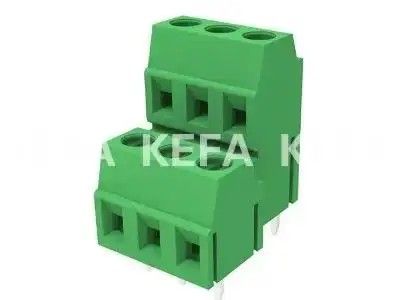
PCB terminal blocks plays a key role in lots of electronic stuff. They connect wires in a safe and secure way. The angle that wires go into these blocks can really affect how good they perform. At KEFA, we work on making top-quality PCB terminal blocks that are simple to handle and works in different setups. When we design them, we think about the wire entry angle a lot. This prevent issues like connections getting loose or wires getting hurt. A proper angle make installation easier and boost the device's overall work.
Finding High-Quality PCB Terminal Block Wire Entry Options
So if you search for solid PCB terminal block wire entry solutions, KEFA is a good spot to check. We offer a broad selection of products for various uses. Our terminal blocks comes in different forms and sizes, fitting for all kind of devices. You can go to our site to look at the whole range. We give info on each product too, so finding the right one for your work is easy. It's key to pick blocks made from good materials. This make sure they last long and function well. When shopping, look at reviews from users and the specs. That way, you choose smartly. In addition, talk to customer service if questions come up.
Best Practices for PCB Terminal Block Wire Entry Design
When you design PCB terminal block wire entry, keep some best practices in mind. First off, consider the entry angle carefully. A decent angle let wires slide in easy and cut down on strain for connections. We suggest angles near 90 degrees for most cases. This let you approach straight, so inserting or pulling wires is simpler. Also, think on the wire sizes you will use. The blocks should take different wire thicknesses without messing the link. It's wise to add extra room for bigger wires, so they fit tight but not pushed. Another thing is aligning the terminal blocks on the PCB right. Place them where wiring and fixes are easy to reach.
Optimizing PCB Terminal Block Wire Entry Angles for Better Efficiency
When you design a printed circuit board with pluggable terminal, one big thing to consider is how wires enter the blocks. The angle of wire connection can change how the PCB perform a lot. To keep things smooth, optimize these entry angles is essential. First, look at wire placement. If wires come in straight, they fit nicer and help the circuit run better, because it avoid issues like short circuits or loose ties if angle too sharp. A simple rule is using 90 or 180 degrees, as they align wires good. Another point is space on the board. Wrong wire positions take up too much area, making it tough to add parts later. By setting entry angles right, we save room and fit everything well. At KEFA, we watch these details so our products are efficient and user-friendly.
Addressing Common Issues with PCB Terminal Block Wire Entry
Even with good design, problems can show up in pluggable terminal block wire entry. One usual issue is wires loosening over time. If not held secure, it cause circuit breaks and device fails. To fix, ensure blocks grip wires strong. At KEFA, we make terminal blocks with features that hold tight. Like, a locking mechanism can keep wires from slipping out. Another common problem is wires damaging from bends or twists. If entry angle wrong, wires bend in bad ways. To stop this, design entry so wires go in smooth and natural. This might mean changing the angle or block shape, so inserting don't force them. At KEFA, we know easy connections save trouble later.
Innovations Shaping PCB Terminal Block Wire Entry Design
Tech world changes fast, and new ideas are improving pluggable terminal block connector entry designs. One cool innovation is smart materials. These can shift shape or traits with the surroundings. For example, a block with smart materials could adjust grip on wire by temp or humidity. So even in rough spots, connection stays solid. At KEFA, we follow these advances to give top products. Another is 3D printing for block designs. It let create complex forms that wasn't possible. So terminal blocks fit tight in small areas or have special shapes for easier wire entry. Using 3D printing, we prototype quick and test, finding best designs faster.
Table of Contents
- Finding High-Quality PCB Terminal Block Wire Entry Options
- Best Practices for PCB Terminal Block Wire Entry Design
- Optimizing PCB Terminal Block Wire Entry Angles for Better Efficiency
- Addressing Common Issues with PCB Terminal Block Wire Entry
- Innovations Shaping PCB Terminal Block Wire Entry Design