
 EN
EN
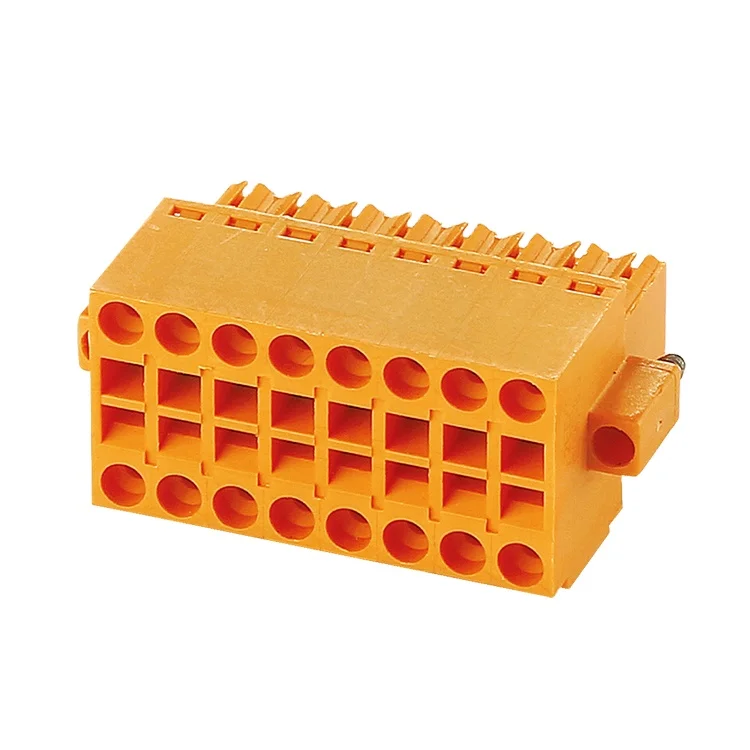
Thermal insulation are really important for instrument enclosures. These is special boxes that protect instruments from outside weather. They keep instruments safe from hot, cold, and wet stuff. When an enclosure have good insulation, it help the instruments work better and last more longer. If the enclosure get too hot or too cold, it can damage the instruments. Thats why picking the right thermal insulation is key. Companies like KEFA focus on making high-quality insulation for these enclosures. This ensure they stay at right temperature, no matter what the weather outside.
How to Choose the Right Thermal Insulation for Your Instrument Enclosure?
Choosing the right thermal insulation for your instrument enclosure can be tricky but it very important. First, you need think about what kind of instruments you protecting. Some instruments are sensitive to temperature changes. For example, if you have an instrument that need to stay cool, you will want insulation that reflect heat. On the other hand, if your instrument needs to stay warm, thick insulation can help keep heat inside. You should also think about the environment where the enclosure will use. If its going to be outside, the insulation needs be strong enough to handle rain or snow. Lightweight materials might great for some cases, but they might not enough for tougher conditions.
Next, consider the thickness of the insulation. Thicker materials usually provide better insulation, but they can also take up more space. If your enclosure is small, you may need find a balance between thickness and space. Another important thing to look is the insulation's R-value. This tell you how effective the insulation at keeping heat in or out. The higher the R-value, the better the insulation. Make sure to check that the insulation you choose fits well with the enclosure. Poor fitting can lead to gaps, which let heat escape or cold air in.
Lastly, don't forget about the cost. Good insulation can sometimes be expensive, but its worth investing in quality. Companies like KEFA offer a range of options that can fit different budgets without compromising on quality. It helps to think about long-term savings too; better insulation can reduce energy costs and protect your instruments for longer time.
Where to Find High-Quality Instrument Enclosure Thermal Insulation for Wholesale?
Finding high-quality thermal insulation for instrument enclosures can be a fun journey. A great place to start is by looking online. Many companies, including KEFA, have websites where you can see the different types of insulation they offer. Its important to read reviews and check ratings. This way, you can see what other customers think about the insulation they bought. Sometimes, there are customer testimonials that provide insights into how well the insulation works in real-life situations.
Another way to find good insulation is by visiting local suppliers or distributors. They often have samples that you can touch and feel. This can help you understand the quality of the materials. Plus, talking to knowledgeable staff can give you more information about the best options for your needs. You might also get discounts if you buy in bulk, which is good for businesses that need a lot of insulation.
Trade shows and industry events are also great places to find suppliers. At these events, you can meet manufacturers and learn about new products. Its a good chance to ask questions and see if they have anything special to offer. Networking with other professionals can also lead to recommendations for where to buy insulation.
Finally, don't forget to check social media and online forums. Many people share their experiences and recommendations. You might discover suppliers who not widely known but provide excellent products. By exploring all these options, you can find the right thermal for your instrument enclosure box at wholesale prices.
Common Usage Issues with Instrument Enclosure Thermal Insulation and Solutions
When we talk about thermal insulation for instrument enclosures, we discussing how to keep sensitive equipment safe from extreme temperatures. One common problem is that insulation can sometimes be too thick or too thin. If its too thick, it can make the equipment hard to access and take up extra space. If its too thin, it might not keep the equipment warm or cool enough. This can lead to equipment failure or incorrect readings, which can be very costly. Another issue is moisture. If water gets inside the insulation, it can make it heavy and less effective. This can happen if there are small holes or cracks in the enclosure. To fix these problems, its important to choose the right type and thickness of insulation for your instruments. KEFA provides insulation products designed to fit various needs, ensuring that your equipment remains protected. Additionally, regular checks for moisture and damage to the enclosure can help catch problems early. Using high-quality seals around the enclosure can also keep moisture out. By addressing these common issues, you can improve the performance and longevity of your instruments.
What to Consider When Sourcing Instrument Enclosure Thermal Insulation Wholesale?
When looking to buy thermal insulation in larger amounts, or wholesale, there are several important things to think about. First, consider the material. Different materials have different R-values, which measure how well they insulate. A higher R-value means better insulation. KEFA offers various materials that can help you choose whats best for your needs. Second, think about the environment where the insulation will be used. Will it be in a hot area, a cold area, or somewhere with lots of moisture? This can affect the type of insulation you should choose. Its also important to check the supplier's reputation. You want to work with someone who has good-quality products and is known for being reliable. You can read reviews or ask other companies about their experiences. Another factor to consider is the price. While its good to find a good deal, cheaper options may not always be the best in quality. Make sure to balance cost with quality. Finally, consider the delivery options. Its important that the insulation arrives on time and in good condition. By taking these points into account, you can ensure that you get the best thermal insulation for your instruments at a reasonable price.
How to Improve Energy Efficiency with Proper Thermal Insulation in Instruments?
Improving energy efficiency with thermal insulation is very important for saving money and protecting the environment. When weatherproof instrument enclosures are properly insulated, they use less energy to maintain the right temperature. This is especially important in industries where instruments have to work all day and night. One way to ensure good energy efficiency is by choosing the right insulation material. KEFA offers a range of insulation products that can help keep the temperature stable while using less energy. Additionally, its essential to regularly check the insulation for any damage or wear. If there are gaps or breaks, they can let heat escape, making the instruments work harder and use more energy. Sealing these gaps quickly can help maintain efficiency. Another way to improve energy efficiency is to use insulation that reflects heat. This can help keep instruments cool in hot environments, reducing the need for extra cooling systems. Finally, educating staff about the importance of maintaining insulation can lead to better energy practices. When everyone understands how insulation works and why it matters, they are more likely to take care of it. By focusing on proper thermal insulation, you can help your instruments run efficiently and save energy.
Table of Contents
- How to Choose the Right Thermal Insulation for Your Instrument Enclosure?
- Where to Find High-Quality Instrument Enclosure Thermal Insulation for Wholesale?
- Common Usage Issues with Instrument Enclosure Thermal Insulation and Solutions
- What to Consider When Sourcing Instrument Enclosure Thermal Insulation Wholesale?
- How to Improve Energy Efficiency with Proper Thermal Insulation in Instruments?