
 EN
EN
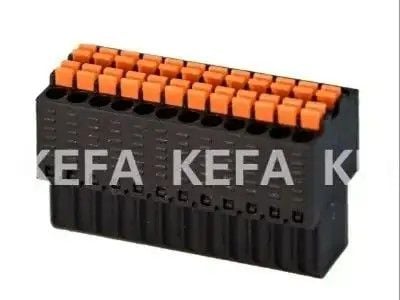
They helps send signals from one machine part to another without taking up too much space. These blocks are key in industries like factories and power plants. The KEFA brand make high-quality feed-through terminal blocks that are dependable and simple to handle. When we discuss signal feed-through, it means how these blocks aid communication between system parts.
Benefits of Feed Through Terminal Block Signal Feed-Through
There’s lots of reasons why feed-through terminal blocks is a good pick. First off, they saves space. With many wires to link up, things can get cluttered. Feed-through terminal blocks keeps it all tidy and in order. This let workers spot connections fast. Another plus is safety. KEFA’s feed-through terminal blocks are built to manage high voltages and currents. So there’s lower risk of accidents. They also stops short circuits, which might harm gear.
How to Choose the Best Feed Through Terminal Blocks for Your Application?
Picking right feed-through pluggable terminal block for your project. First, consider wire size. Blocks handle different sizes. If too small, connections won’t hold good. If too big, it might not fit right. Best to measure wires first before purchase. Next, look at voltage and current needs. Apps need various ratings. Like, a power plant requires blocks for high voltages. A small device might need less. Ensure KEFA feed-through terminal blocks match your machine power.
Issues Arise with Feed Through Terminal Block Usage?
Users with feed through terminal blocks often runs into issues. One main is bad connections. This happens if wires not inserted right or loosen up. Loose connections leads to weak signals or total loss. Specially in systems needing clear signals, like factories or panels. Another is interference from outside. Noise from nearby machines mix signals, causing errors. This confuses the system and makes mistakes.
How to Effectively Test Feed Through Terminal Block Signal Integrity?
Testing signal integrity for feed through pluggable terminal is vital to make sure they works. First step, do a visual check. Look for damage like cracks or corrosion. If issues show, replace the block maybe. After that, use a multimeter. This tool measures voltage and continuity, to see if signals flows right through blocks. For continuity test, turn off power first. Keeps safety. Then hook multimeter to terminals. If beeps or reads, connection is good, signal strong likely. If no, fix the issue.
Latest Innovations in Feed Through Terminal Block Technology?
Feed through pluggable terminal strip has some cool new stuff lately. One big is smart tech in blocks. Smart ones monitors signals real-time and alerts on issues. So users catch problem before big trouble. With this, get notice on phone if wrong, for fast fixes. Another is better materials. Companies like KEFA uses stuff that fights corrosion and wear. These last longer, reliable connects, good in harsh spots. Means less swaps, less down time, saves cash. There’s advances in easy install too. New designs has tools to simplify wiring.
Table of Contents
- Benefits of Feed Through Terminal Block Signal Feed-Through
- How to Choose the Best Feed Through Terminal Blocks for Your Application?
- Issues Arise with Feed Through Terminal Block Usage?
- How to Effectively Test Feed Through Terminal Block Signal Integrity?
- Latest Innovations in Feed Through Terminal Block Technology?