
 EN
EN
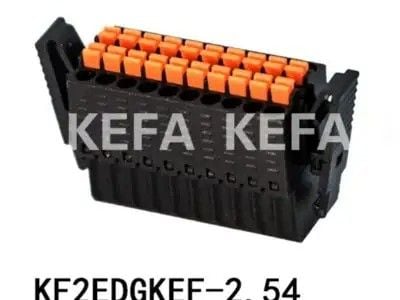
Wiring a DIN rail terminal block system might seem tricky, but it’s actually quite simple if you follow some good practices. These blocks are key in electric setups because they connect wires in a tidy and safe way. Using them can save room and help manage connections in different machines easier.
Benefits of Using DIN Rail Terminal Block Systems?
One great thing about DIN rail terminal block systems is they keep your wiring so organized. No more messy wires all tangled up, instead these blocks lets you group them neatly. This make it easier to spot issues, specially when troubleshooting problems. And when wires are sorted, it cut down on errors during setup or fixes. Safety is another major plus. The blocks are built to handle connections without risks like short circuits or too much heat. That’s super vital in factory places where electric accidents can be risky.
Where to Find Wholesale DIN Rail Terminal Block Suppliers
If you want to buy DIN rail terminal blocks, picking a solid supplier is important. KEFA is a good starting point. We have a big range of blocks for various industry uses. Look for suppliers that offer quality stuff at fair prices. Check online for wholesale ones with nice reviews. Choose a company that understands electric parts and can guide you to the right picks. So, another idea is go to trade shows or industry meets. These are great for talking to suppliers in person. You can ask stuff and check products up close. With this, you might find new tech that helps your work. It’s also wise to chat with other pros in the area.
Quality
When installing double row terminal block systems, do it properly so everything functions good. First, get the tools and stuff you need. At KEFA, we suggest a screwdriver, wire strippers, and the blocks. Before starting, have a clean workspace. This help you grab things fast and stay safe. Start by picking the spot on the DIN rail for the blocks. Ensure there’s space for wires and air flow. Plan your wire routes too. Use cable ties to bundle them neat, because it looks better and avoid mix-ups. When connecting, strip wire ends careful. Insert them into the right spots on blocks. Make them secure; loose ones cause trouble later.
Application
At KEFA, we stay on top of trends to give you the best. One big trend is smaller designs. Compact blocks use less space, perfect for busy control panels. Another is smart features. Some terminal barrier strip and alert on problems. This let you fix things early before they get bad. There’s more focus on safety too. New blocks protect better from surges and shorts. This keep systems smooth and secure. In addition, folks want green options. Some blocks use recycled stuff or save energy. Staying with these trends help pick the right ones.
Conclusion
Even with good installs, issues can pop up in barrier terminal block wiring sometimes. At KEFA, we like to help you fix them fast. A usual problem is loose connections. If a device stop working, check wires first. Ensure all are tight in the blocks. If loose, tighten and test again. Another might be a blown fuse. If system cuts out sudden, look at fuses. Replace if needed and see if it works. If devices still fail, maybe a short circuit. That happen when wires touch wrong. Inspect for damaged covers on wires. Fix or swap frayed ones. Lastly, if stuck, look at the manual or get help. KEFA’s team is here for any trouble.