
 EN
EN
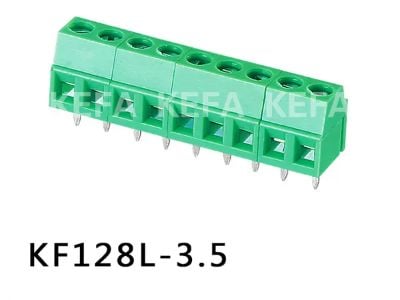
Barrier terminal blocks is important components in lots of low-voltage setups. They help connect wires safe and secure way. You see them in electrical panels, control setups, and machines often. These blocks keeps things neat and organized. Plus, they protects wires from getting damaged. Here at KEFA, we aim to offer good quality barrier terminal blocks that fits customer needs. Knowing how to pick the right one is key for any project success.
When picking a barrier terminal block for low-voltage stuff, consider few things. First off, look at voltage and current ratings. Blocks handle different electricity levels. For a 24-volt project, you needs one that manage it safely. Also, think about how many connections you require. Some jobs need many wires linked, so a block with extra terminals might be needed. Check the material too. Some are plastic, others metal. Metal ones are tougher and last longer, good for rough spots. And don't forget size! If space is tight, get a small block that still works. Lastly, how you install it matters. Some come with easy mounting options. At KEFA, we gives specs and help to find the best barrier terminal block for your job.
Finding quality barrier terminal blocks for wholesale buy can be easy if you know spots to check.
One way is go to trusted makers directly. That way, you gets better prices and new products. KEFA has various barrier terminal blocks for different uses. Visit our site or talk to sales for more info. Another option is online shops. Many sites have bulk deals for industrial stuff. Read reviews and ratings first to avoid bad buys. In addition, trade shows are great. You meet suppliers, see products up close, and ask stuff. Networking give good tips too. Compare prices and quality from places to get the best deal. With KEFA's quality focus, our barrier strip terminal block will meet what you expect.
What Common Issues to Avoid When Using Barrier Terminal Blocks?
Using barrier terminal blocks, avoid some usual mistakes for safety and good work. One big problem is wrong wiring. Each wire must go to correct terminal. Mix them up, and it cause shorts or equipment harm. Always check the diagram twice before connect. Another issue is over-tighten screws. You want wires secure, but too much tighten can break wire or the block. Tighten firm but not too hard. Also, watch wire size. If it's too thick or thin, it won't fit well. Check specs to use right size. Keep eye on install environment too. Hot, cold, or wet areas affect it. Pick blocks that suit, like waterproof for damp spots. Finaly, do regular checks. Dust build up over time, leading to issues. Clean them and look for wear. Avoiding these make your barrier terminal block work safe and good.
How Barrier Terminal Blocks Enhance Safety in Low-Voltage Setups?
Barrier terminal blocks helps safety in low-voltage installs. They keep wires apart, which cut down short circuit risks that can start fires or damage gear. With these blocks, separate circuits easy, helping manage and fix problems. Also, many have features against shocks. The barrier design stops touching live wires, important for low-voltage where safety counts. Insulation around terminals prevent accidental touches too, which is dangerous. Furthermore, organized wiring from them make it simple to spot issues fast. Neat and labeled wires safer for work and less errors. Techs see clear, fix without risk. And they tested for safety rules. Using ones that meet standards ensure reliable setup. So, barrier terminal blocks boost safety by organizing wires, stopping contacts, and following standards, essential for electrical work.
What Makes Barrier Terminal Blocks Essential for Electrical Wiring Solutions?
Barrier terminal blocks are key for wiring solutions for some reasons. They connect many wires in one spot reliable. This simplify complex systems. Many wires can confuse, but these blocks manage connections better, saving time. They allow easy changes too. Add or remove wire without mess whole system. That flexibility is useful in apps. Durability is another plus. Built to last in various spots, like hot factories or damp areas. Less replacements mean less down time, good for business. Also, labeling options clear. Spaces for labels help identify wires quick, great for maintenance. Lastly, they cost-effective. Balance quality and price well, save money long run by cut errors. In short, barrier terminal blocks essential because they simplify, flexible, durable, label well, and cheap, smart pick for wiring projects.
Table of Contents
- Finding quality barrier terminal blocks for wholesale buy can be easy if you know spots to check.
- What Common Issues to Avoid When Using Barrier Terminal Blocks?
- How Barrier Terminal Blocks Enhance Safety in Low-Voltage Setups?
- What Makes Barrier Terminal Blocks Essential for Electrical Wiring Solutions?