 EN
EN
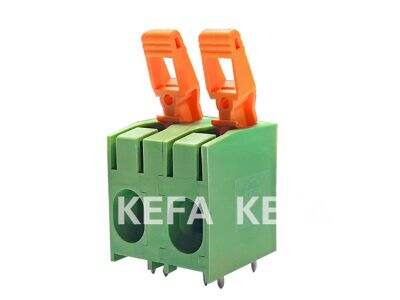
At KEFA, we know this well. When you’re looking for a wire to board connector, the key is considering the size of your wire, how many pins you need and the environment that your equipment will be exposed to. If you choose pcb connectors that are not compatible, bad contact, signal loss or even damage will occur. So understanding what connectors are available can get your PCB playing strong and safe.
Factors to Consider When Selecting the Right Wire to Board Connectors for Excellent PCB Assembly Quality
Selecting the perfect wire to board connector is not that simple. First you look at the wire itself — its thickness, or gauge, matters. Thicker wires allow more current to flow but require larger connectors. Short, thin wires meet more compact pcb board connectors but can sustain only light power. KEFA has connectors for a wide range of Wire Sizes, so you can find one that fits well. Next, decide how many connections you require.
What Features of Wire to Board Connector Wholesale Guarantee Better Electrical Contact?
When you purchase wire to board connectors wholesale, you expect each one to perform flawlessly. Connector make the electrical connection. If contact is bad, signals become weak or power is lost. KEFA understands that the contact details is composed of a series of minutiae. One is the make-up of the pins inside the connector pcb board. Metals, such as copper, are good because they conduct electricity well. But copper by itself can wear out, or become dirty, so KEFA uses special plating — gold or tin, to make pins shiny and avoid corrosion.
Determining the Appropriate Wire Gauge, Board Pitch for Connector Compatibility
The compatibility between the wires and the printed circuit board (PCB) is crucial when using wire to board connectors. There are two things that you to look for, the wire gauge and the board pitch. Wire gauge refers to the thickness of the wire. It’s generally specified by its AWG ("American Wire Gauge") number. Lower numbers are thicker wires, higher numbers are thinner wires. The appropriate size of wire required for your project depends on utilizing the correct size of wire for the amperage requirement of the appliance or tool, as well as the potential overloading and short-circuiting that could occur. For example, if you’re using a wire that is too thin for your project, it might get hot and create problems. If the wire is too thick, however, it may not fit well in the connector or could be difficult to work with. So, if you discover the correct wire gauge, you can choose a connector which grips the wire well and works effectively.
Another important thing is the pitch of the board. It is the pin pitch of a connector mounted to the PCB. Standard PCB pitches are 1.0mm, 1.25 mm, 2.0 mm etc In case that the connector board pitch doesn’t align with the PCB’ holes or pads, they won’t be fit and it will fail to create an electrical circuit. This is why it’s critical to measure the pitch of your board meticulously before selecting a connector. To find the correct board pitch you can examine the PCB design files, or measure pin distance with a ruler or caliper. Also consider how many pins it is you want to use for your project since connectors come with different numbers of pins.
High-Quality Wire to Board Connectors for Mass Production – Where Can I Get?
If you are building a lot of electronics, having some quality wire to board connectors can be quite handy. If the connections aren't good, or are of poor quality, your products could break or stop working. This is why you want quality made connectors designed for mass production. Large-scale manufacturing is the method of producing a lot of goods quickly and with consistent good quality every time.
KEFA is an outstanding solution when you need wire to board connectors for large-scale themes. KEFA’s connectors are built with durable materials that can withstand the test of time, even in harsh environments. Our connectors are well made to match the PCB and tightly held the wires to prevent disconnection in any case. They also come with a variety of connector options to support many wire sizes and board pitches, so you can pick the one for your particular project.
Table of Contents
- Factors to Consider When Selecting the Right Wire to Board Connectors for Excellent PCB Assembly Quality
- What Features of Wire to Board Connector Wholesale Guarantee Better Electrical Contact?
- Determining the Appropriate Wire Gauge, Board Pitch for Connector Compatibility
- High-Quality Wire to Board Connectors for Mass Production – Where Can I Get?