
 EN
EN
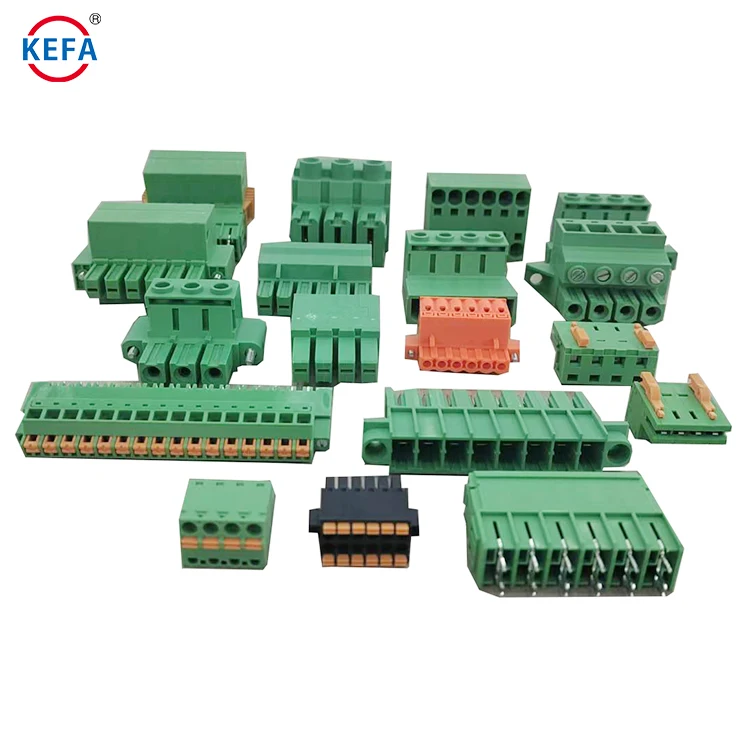
Transformer terminal blocks is key parts in electrical setups. They help link wires in a safe way and keep things going without hitches. But handling these can be risky if you don't take care. At KEFA, we always push for safety when dealing with transformer terminal blocks. Knowing the dangers and how to stop accidents will make a real change. So, we discuss main safety tips and usual problems with these blocks. This info help anyone from pros to students in electrical engineering.
What Are Essential Safety Precautions for Transformer Terminal Blocks?
Safety come first when you work with transformer terminal block. One big tip is to switch off the power before you start anything. That mean ensure the electricity is fully cut. If not, you might get shocked, and that's super dangerous. Use a voltage tester to confirm power is off. And wear protective stuff, like gloves and glasses for safety. Gloves keep hands safe from sharp bits or shocks, while glasses shield eyes from dust or flying stuff.
It's key to keep your work space clean and neat too. A cluttered area can cause trips or losing tools easy. Have a spot set for tools and materials. In addition, when hooking up wires to the blocks, pick the correct size and kind of wire. Wrong wire can spark fires or shorts. Always check the maker's guide and specs for the blocks you use.
Also, ensure connections are snug. Loose ones lead to heat up and maybe fires. After connecting, check twice to see it's secure. Using a torque screwdriver help apply just right force.
Last, watch your around when working on these blocks. If in a team, talk clear with others. Tell them what you doing, specially near live wires. If unsure, ask for help always. Safety isn't only rules; it's about being alert and careful. These tips keep you and team safe with transformer terminal blocks.
What Common Usage Problems with Transformer Terminal Blocks?
Some usual issues pop up when using transformer terminal blocks. One is picking the wrong type for your job. Blocks differ for voltage and current levels. Wrong choice cause overheating or gear fail. Check ratings before putting in.
Another problem is bad wiring. People sometimes hook wires wrong, leading to shorts. That happen when positive and negative touch. Double-check each wire go to right spot. If not sure, look at the wiring diagram a bit.
Over time, connections get loose or rusted. This from temp changes or wet air. Inspect blocks regular to make sure ties are tight and clean. If rust show, replace those parts best.
In addition, skipping covers expose terminals to dust and wet. That lead to faults. Use covers or boxes for outdoor or damp spots.
Finally, watch the current flow through blocks. Going over rated amount damage them and gear. Better to be safe. If blocks heat up in use, it's a sign of trouble.
Knowing these issues help avoid problems with transformer terminal blocks. At KEFA, we say stay informed and put safety first for electrical parts.
What Safety Standards Transformer Terminal Blocks Should Meet?
Safety matter a lot with transformer terminal block connector. They link wires to transformers, and if not safe, cause shocks or fires big time. To protect, blocks must meet some standards. First, follow National Electrical Code (NEC) rules. This guide ensure systems safe.
Blocks need good insulation too. Made from stuff that don't conduct easy. That prevent shocks by accident. Another standard is Underwriters Laboratories (UL) cert. UL mean tested to handle power without break or fire.
Also, rate blocks for the voltage you use. Wrong rating lead to heat and harm. Clear labels on blocks help users connect right, cutting mistake risks.
Last, use tough materials that take heat and moisture. KEFA make sure our blocks meet these, so trust them for secure systems.
How to Troubleshoot Problems with Transformer Terminal Blocks?
Things go wrong sometimes with transformer terminal blocks. Know how to fix keep everything smooth. One issue is loose ties. If wires not tight, spark or lose power. Check each and tighten careful.
Overheating another prob. Block too hot maybe from overload or wrong rating. If smell burn or color change, cut power now and check specs. If not fit the load, swap with KEFA block that can.
Flickering lights or bad gear work could mean poor connect or damaged block. Look for wear or cracks. If damage, replace it. Check for corrosion on terminals too, as that make bad links. If unsure, call electrician. They find issue and fix best. Watching blocks and troubleshooting save time and keep gear running.
What Best Practices for Keeping Transformer Terminal Block Safety?
Keeping transformer electrical terminal block in shape is crucial for safety and good work. Follow some practices to maintain. First, check blocks often. Look for cracks or corrosion. Spot issue, replace before big trouble.
Keep area clean and dry around blocks. Dust and wet cause problems, so tidy up. Wipe with dry cloth help clean them.
Don't overload blocks. Each have rating for power. Using more than can handle damage or heat. Check KEFA specs for right ones.
Use right tools when working. That make secure ties without harm.
Last, train folks on safety. Teach handling and checks to stop accidents. These practices keep blocks safe long time.
Table of Contents
- What Are Essential Safety Precautions for Transformer Terminal Blocks?
- What Common Usage Problems with Transformer Terminal Blocks?
- What Safety Standards Transformer Terminal Blocks Should Meet?
- How to Troubleshoot Problems with Transformer Terminal Blocks?
- What Best Practices for Keeping Transformer Terminal Block Safety?