 EN
EN
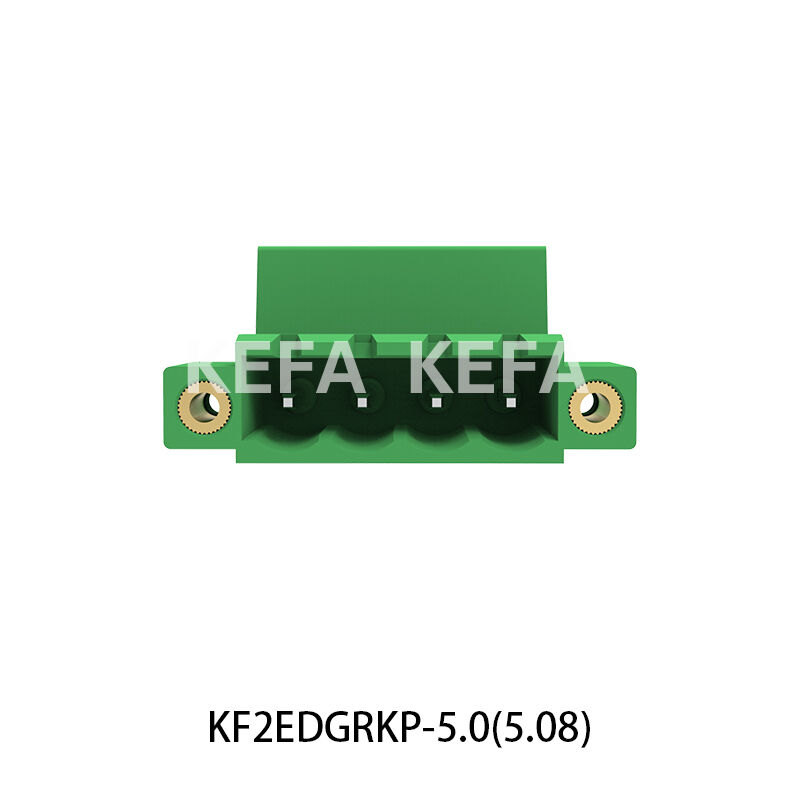
Grounding is an important part of using through-wall connectors safely. When we talk about through-wall connectors, it mean the devices that let us connect electrical wires or cables that go through walls. These connectors must be grounded properly. Grounding help prevent electrical shocks and protects our equipment. At KEFA, we understand how crucial it is to follow the right grounding instructions. We want to make sure that everyone knows how to do it right to keep people and machines safe.
What Are Through-Wall Connector Grounding Instructions for Best Safety?
Grounding instructions for through-wall connectors are steps you need to follow to ensure safety. First, it’s essential to use the right materials. Use a grounding wire that fits the size of the This wire is usually made of copper or aluminum. Next, connect one end of the grounding wire to the connector and the other end to a grounded point, like a metal water pipe or a grounding rod. This connection help to direct any stray electricity away from people and devices, because it keeps things safe. It is also important to check that the grounding point are secure, clean, and free from rust or paint. If the connection is weak, it won’t work well. After that, make sure all connections are tight. Loose connections can cause sparks or even fire. Finally, always test the grounding system after installation. You can use a multimeter to check the electrical continuity of the grounding system. This means making sure electricity flows through the ground wire as it should. If you find any issues, fix them right away. And it’s a good idea to revisit the grounding setup regularly to ensure everything remains in good condition. By following these grounding instructions, you help create a safer environment for everyone who uses these connectors.
Grounding Challenges Explained
While grounding is vital, there are challenges that can occur. One common problem is when the grounding wire is too long. If the wire is too long, it can cause resistance, which means that it won’t carry electricity as effectively. This can lead to unsafe conditions. Another challenge is when the ground connection is made to a location that is not truly grounded. For example, connecting to a painted surface might look good, but the paint can stop the electricity from flowing. This makes the grounding ineffective. Weather conditions can also affect grounding systems. For example, rain or snow can lead to corrosion, which can weaken the connections over time. Regularly checking for rust or damage is essential. Grounding issues can also arise from nearby electrical equipment. If large machines or devices are in the area, they can create electromagnetic fields that interfere with the grounding. This can make it hard for the grounding system to work properly. So to tackle these challenges, it’s important to have a good plan. Always follow proper installation practices and keep checking your grounding systems regularly. At KEFA, we know that understanding these challenges helps everyone work safely and efficiently.
What to Look for in Good Grounding Instructions for Through-Wall Connectors
When you are looking for good grounding instructions for through wall connector, there are some important things to keep in mind. First, the instructions should be clear and easy to understand. They should use simple words and explain each step in detail. This way, even someone who is new to these connectors can follow along without getting confused. Second, look for instructions that show pictures or diagrams. Visual aids can help you see what you need to do. A picture can often explain something better than just words. Third, the instructions should tell you what tools and materials you will need. Knowing this ahead of time can save you a lot of trouble. You don’t want to start working and then realize you don’t have the right tools. In addition, good instructions will explain the importance of grounding and why it matters. This helps you understand the purpose behind the steps you are taking. Finally, make sure the instructions come from a reliable source. At KEFA, we take pride in providing high-quality products and instructions, so you can trust what you are reading. Always check for reviews or recommendations from others who have used the instructions before. This can help you ensure that you are getting the best guidance for your grounding needs.
What Are the Benefits of Proper Grounding for Through-Wall Connectors?
Proper grounding for through-wall connectors has many benefits that are important for safety and efficiency. First, proper grounding helps protect your devices and equipment from electrical surges. Electrical surges can happen during storms or when there are sudden changes in power. If your connectors are grounded correctly, they will help direct excess electricity safely away from your devices. This can prevent damage and save you money on repairs. Second, good grounding helps reduce the risk of electrical shocks. If someone touches a device that is not grounded well during a surge, they could get shocked. By grounding your through-wall connectors, you keep everyone safe. Third, proper grounding can improve the performance of your devices. When everything is grounded correctly, devices can work more efficiently. This means they can run better and last longer, which is great for you. That’s why correct grounding can help you follow local electrical codes and regulations. Many places have rules about how electrical systems should be set up. By grounding your connectors properly, you can be sure you are following these rules, which can help avoid fines or issues with safety inspections. At KEFA, we believe that understanding the importance of grounding can help you make better choices for your electrical setup.
Common Misconceptions About Through-Wall Connector Grounding and Solutions
There are some common misunderstandings about grounding through-wall connectors that people often have. One big misconception is that grounding is not necessary if you are using high-quality connector. Some people think that if they buy the best products, they don’t need to worry about grounding. This is not true. No matter how good your connectors are, if they aren’t grounded correctly, you could face risks like electrical surges or shocks. The solution is to always follow grounding instructions, regardless of the quality of the materials you are using. Another misconception is that grounding is too complicated and should only be done by a professional. While grounding does require attention to detail, it can be done by anyone who follows clear instructions. At KEFA, we provide easy-to-understand grounding instructions to help you feel confident doing it yourself. A third misunderstanding is that you only need to ground connectors that are outdoors. In reality, any through-wall connector, whether inside or outside, should be grounded. This is because electrical issues can happen anywhere. To solve this misunderstanding, always ground all your connectors to ensure safety and performance. Lastly, some people believe that grounding will slow down their devices. This is not true. Instead, proper grounding can enhance device performance and safety. If you have ever been confused about grounding, remember that at KEFA, we are here to help clear things up and provide the best guidance for your grounding needs.
Table of Contents
- What Are Through-Wall Connector Grounding Instructions for Best Safety?
- Grounding Challenges Explained
- What to Look for in Good Grounding Instructions for Through-Wall Connectors
- What Are the Benefits of Proper Grounding for Through-Wall Connectors?
- Common Misconceptions About Through-Wall Connector Grounding and Solutions