
 EN
EN
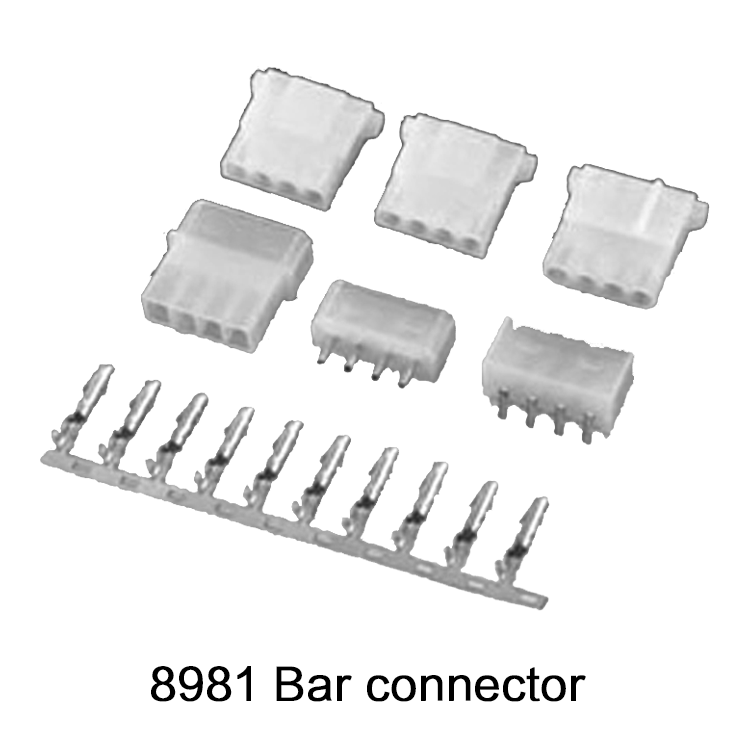
Wiring made simple and fast, thanks to push-in connectors. At KEFA, we want to make learning how to wire them without any tools as easy as possible! It's important for these connectors to not require any special tools for ease of use. They are applicable to home repairs as well as bigger projects. In this guide, we'll provide you with steps to get your wiring made easy and correct.
Troubleshooting Tips
At times, the wiring won't go according to plan. If the connection looks wrong, don't worry, it happens to all! Always first check the wire you're using; has the wire been properly stripped, is the exposed metal visible, and not to the point that the connection is bad? If there's not enough exposed metal, it will not connect properly. Make sure you're pushing the wire in the correct way as each connector has a specific way that it is designed to connect. If unsure, look for diagrams on the connector. If the wire seems loose, gently pull it out and push it in again, wires can get stuck inside of the connector. Twist as you pull can assist you. If the connector looks damaged or has cracks, you should discard it for safety reasons. Give a tug on the wire you've connected to check to ensure it's secure; if the wire pulls out too easily, redo the process. Turn off the power before starting any work, and make sure you only use proper equipment. Using this guide will put you back on track in no time.
How to Ensure a Secure Connection with Push-In Connectors?
To create a secure connection there are some steps you can take to get this completed. First you will want to strip enough of the insulation off of your wires to have at least ½ inch of metal showing for connection. You want enough to get a solid connection, but not so much to risk the wires touching each other or another connection. Hold the connector and the wire in separate hands, then firmly push the stripped wire into the appropriate port on the connector until you feel it catch the wire and there is enough to pull it back out. You will also want to give the wire a quick tug, if it comes out there's not enough to make the proper connection and you will want to push it in a little further. It is also very important to match the correct wire size with the port you are using, or you will create a loose connection. It is also recommended to clear your workspace of any clutter or potential distractions to keep from having any problems during your wirring job. At KEFA, we want to help you succeed in your wirring projects without worry!
What to Look For in Wholesale Push-In Connectors?
When looking to buy push-in connectors in bulk it's important to know what you are going to need. The first thing you are going to want to make sure of is that they are good quality, and they are going to last you a long time and that they are not going to wear quickly or break. You will also want to make sure that they are the size you need, for the wire you are using as some will only fit certain sizes. If they aren't the right size they are going to create a loose connection that is unsafe. Next you will want to look for to see if it has more than one port as you can only connect one wire at a time unless otherwise stated, more ports saves you time. Also, make sure that they can be used with solid, as well as stranded wire. If you're not sure just ask! Always remember that some of the cheapest isn't always the best and to look around at different retailers to find the best prices for quality.
Where to Find the Best Deals on Push-In Connectors for Wholesale?
Finding the best deals on push-in connectors in bulk can be a much simpler process than one would think! The easiest place to start looking is online, many sites sell all types of electrical equipment for the cheapest price in bulk. If you start by searching online it will also bring up a few specialized online retailers who sell them for cheaper for a large quantity of bulk order. Some will offer sales on these products periodically, so be sure to check them often. Local fairs and trades shows are also a way you can find deals. Vendors at trades shows often offer to sell their products directly for cheaper, especially to get them moved. Building a relationship with a local wholesaler is also a great option to potentially receive better pricing on their products. You can also order from your local hardware store, though this will be more expensive and takes longer for ordering and delivery time frame. Also join some online forums or groups where other individuals post about excellent deals they have found. Subscribe to a few online retailer newsletters to have the latest deals, coupons, and savings directly sent to your email. With these few tricks you'll surely be able to find what you're looking for without breaking the bank!
What are the Safety Advantages of Push-in Connectors in Wiring?
Push-in connectors provide numerous advantages for safety when it comes to your wiring jobs. The wires are securely fastened to prevent the possibility of the wire loosening over time, reducing short circuits or fires due to improper connections. You will also have more confidence in your connections being securely wired. These connectors also benefit from the fact that they do not require any tools to connect the wires, which lowers your chance of errors when working with electrical wiring. Some push-in connectors are insulated on the outside to protect you from receiving an electrical shock when touching them, and some push-in connectors offer better resistance to heat as connections can become hot when carrying an electrical charge, and it will prevent it from melting. Pushing in the wires can also assist in creating more organized wiring in your workspace, which helps you more easily find problems with your wiring before they become more serious issues. Overall, they can be a great advantage to use in any wirring project, and with KEFA's push-in connectors you can have confidence in your wiring.