
 EN
EN
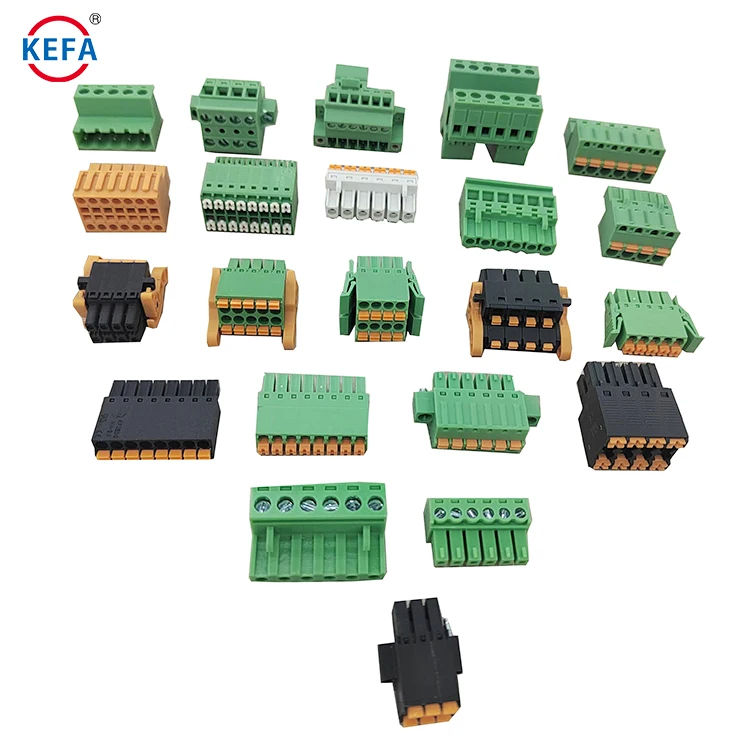
Connecting signals from IO modules using terminal blocks is important part in industrial manufacturing. At KEFA, we know how these connections works and why they are essential. Terminal blocks are small devices that help manage electrical connections in machines. They give a neat way to connect wires from sensors, switches, and other devices to the main control system. With terminal blocks, it become easier to manage and fix connections. This make working with machines safer and more efficient.
What Are the Benefits of Using IO Module Signal Connections with Terminal Blocks?
Using terminal blocks for IO module signal connections have several benefits. First, they offer a clear way to connect different wires. When you got many wires in one place, it can get confusing. Terminal blocks help keep everything organized. Each wire connects to a specific point on the terminal block, so it easy to see where each connection goes. This is helpful when you need to make changes or repairs. Second, terminal blocks can handle various types of signals. Whether you work with analog or digital signals, terminal blocks manage them well. This versatility is useful in different applications, from simple machines to complex systems. Also, terminal blocks can be mounted on DIN rails, a standard way for securing electrical devices in cabinets. This saves space and keeps things neat.
Common Usage Issues with IO Module Signal Connections and How to Resolve Them
Despite their benefits, there are some common issues that can happen with IO module signal connections using terminal blocks. One frequent problem is loose connections. Over time, vibrations and movement causes wires to become loose. When this happen, the signal may weaken or lost. To fix this, you should regularly check and tighten the connections on the terminal blocks. Another issue is wrong wiring. Sometimes, wires connect to the wrong terminals. This can lead to machines not working properly or even get damaged. To avoid this, always refer to the wiring diagrams with the equipment. Label the wires clearly so anyone can identify where each wire goes.
Where to Source Affordable Wholesale Terminal Blocks for IO Module Applications
When working with IO modules, finding right pluggable terminal block 2 pin is very important. Terminal blocks help connect wires and keep things organized. If you need cheap options, online is a great place to look. Sites that specialize in electronic parts often have wholesale prices, so you buy a lot for less. KEFA is one company that offers wide range of terminal blocks at good prices. You can browse their website to see types available. They show pictures, descriptions, and prices, making it easy to choose. Another way to find affordable terminal blocks is local electronics stores. Many stores have sections for parts like terminal blocks, and they offer discounts for bulk buys. Ask staff if they have special deals. You might check trade shows too. These events have vendors, and you can find deals on terminal blocks. Plus, talk to sellers directly about products.
How to Ensure Optimal Performance of Terminal Blocks in IO Module Signals
To make sure your pluggable terminal strip work well with IO modules, proper installation and connection are key. First, always read the instructions come with the terminal blocks. These give important info on connecting wires correctly. Use right tools, like wire strippers, to prepare wires before connecting. If wires not stripped proper, it lead to poor connection and problems later. Next, ensure you use the right size terminal block for your wires. Terminal blocks come in different sizes, and wrong size can affect performance. A block too small may not hold wire tight, causing it to loose. On the other hand, too large might not connect well, leading to weak signals. KEFA offers terminal blocks in various sizes, so you find perfect fit.
When Using Terminal Blocks for IO Module Connections
When using terminal blocks for IO module connections, there are common mistakes that lead to problems. One big mistake is not tightening screws enough when connecting wires. If screws loose, connection may be weak, causing signals to drop. Always tighten screws proper, but don’t over-tighten as it damage wires. It’s better to double-check connections than find out later something not working. Another mistake is mixing up wire colors. When connecting to pluggable terminal follow color code. For example, red for positive, black for negative. If mix them, circuit can malfunction. Keep a chart nearby to remember colors, making it easier to stay organized.
Table of Contents
- What Are the Benefits of Using IO Module Signal Connections with Terminal Blocks?
- Common Usage Issues with IO Module Signal Connections and How to Resolve Them
- Where to Source Affordable Wholesale Terminal Blocks for IO Module Applications
- How to Ensure Optimal Performance of Terminal Blocks in IO Module Signals
- When Using Terminal Blocks for IO Module Connections